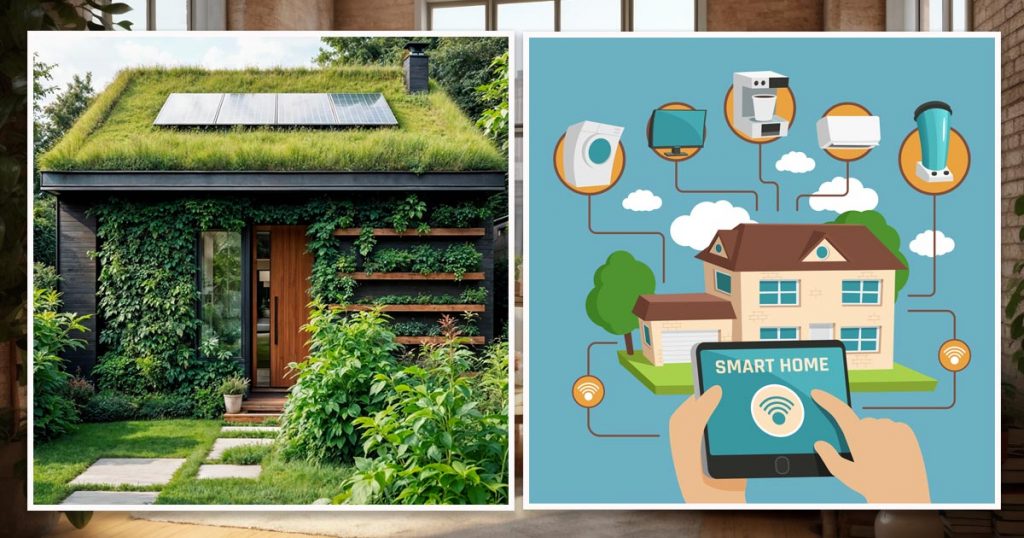
Creating a home that cares for the environment is easier than many people think. Learning how to make your house eco-friendly can save money, reduce waste, and improve your quality of life. Small changes in your daily routine and thoughtful upgrades to your home can make a big difference for the planet.
1. Upgrade Insulation
Adding insulation to walls, ceilings, and floors helps maintain a consistent indoor temperature, keeping your home cozy in winter and cool in summer. This reduces reliance on heating and cooling systems, lowering energy consumption and utility costs. Installing double walls and insulated garage doors further prevents heat from escaping, while thick carpets provide an extra layer of warmth during colder seasons.
2. Install Energy-Efficient Windows
Double-glazed windows trap heat, reduce drafts, and maintain indoor temperatures. They are especially helpful in windy areas or places with high altitudes. Thermal-backed curtains can help if double-glazed windows are not an option. This small change is a cost-effective way to make your home more sustainable.
3. Switch to LED Lighting
Switching out standard bulbs for LED lights can cut energy use by as much as 75 percent. LEDs have a longer lifespan than traditional bulbs and generate less heat, helping keep your home cooler during warm months. Upgrading outdoor floodlights and security lighting to LED models with timers ensures lights run only when needed, saving both energy and money.
4. Use Smart Home Technology
Smart thermostats and energy monitors help track electricity usage and control when devices are on. You can adjust lighting, heating, and cooling remotely, saving energy even when away from home. Programmable systems automatically optimize energy consumption, making it easier to maintain an eco-friendly home.
5. Choose Energy-Efficient Appliances
Choosing high-efficiency appliances such as refrigerators, dishwashers, and washing machines helps cut electricity use. Smaller electronics like laptops and tablets use far less power than desktop computers. Using energy-saving devices not only lowers your utility bills but also reduces your household’s impact on the environment.
6. Harness Solar and Wind Energy
Solar panels can power lighting and small appliances, and solar water heaters provide hot water without high electricity use. In windy areas, a small wind turbine can generate energy or pump water for your garden. Renewable energy options reduce reliance on fossil fuels and support a sustainable lifestyle.
7. Conserve Water
Low-flow showerheads, faucets, and toilets use less water while maintaining performance. Fixing leaks prevents waste and lowers water bills. Harvesting rainwater can supply water for gardening, cleaning, or other non-drinking uses. Line-drying clothes reduces the energy used by dryers and saves water indirectly.
8. Create a Garden
Growing vegetables, fruits, and native plants reduces reliance on store-bought produce. Plants also improve air quality and help absorb carbon dioxide. Using drought-resistant species and planting trees for shade reduces water usage and naturally cools your home. Gardening supports how to make your home more sustainable.
9. Reduce Plastic and Choose Sustainable Materials
Switch household items to eco-friendly options like bamboo, glass, terracotta, or stainless steel. Avoid plastics and products with synthetic dyes or materials that harm the environment. Sustainable building materials like reclaimed wood, bamboo flooring, and recycled glass countertops reduce pollution and waste.
10. Compost Kitchen Waste
Composting food scraps prevents methane emissions from landfills and creates natural fertilizer for your garden. Small backyard compost bins or local drop-off services make it easy, even in urban areas. Composting supports healthier soil and reduces chemical fertilizer use.
11. Recycle Properly
Recycling plastics, metals, paper, and glass prevents waste from filling landfills and reduces pollution. Sorting items correctly ensures they can be reused effectively. Including a recycling station in your kitchen or bathroom makes it easier to maintain these habits consistently.
12. Reduce Junk Food and Packaged Items
Processed foods often come with excessive packaging and chemicals. Eating whole foods reduces waste, supports health, and lowers environmental impact. Shopping at farmers’ markets or buying bulk items with minimal packaging supports how to be environmentally friendly at home.
13. Replace Toxic Cleaning Products
Switching to biodegradable cleaning supplies protects waterways, soil, and wildlife. Vinegar, baking soda, and castile soap are effective alternatives for everyday cleaning. Natural products reduce chemical exposure in your home and minimize environmental harm.
14. Use Reusable Kitchen Items
Replace disposable plastic wrap, containers, and utensils with glass, bamboo, or reusable alternatives. Beeswax or organic reusable food wraps extend freshness without introducing toxins. Using durable containers reduces long-term waste and supports sustainable living.
15. Control Indoor Air Quality
Houseplants naturally remove toxins from indoor air and improve oxygen levels. They also add aesthetic value and create a calming environment. Cleaning dust and ensuring proper ventilation support healthier air while contributing to ways to be more eco-friendly at home.
Living Green Starts at Home
An eco-friendly home shapes the way you live, think, and interact with your surroundings. Each small change, from composting scraps to installing energy-efficient appliances, contributes to a healthier planet and a more mindful lifestyle. Embracing sustainability at home encourages creativity in everyday choices, turning routine tasks into opportunities to reduce waste and conserve resources.
Green living also strengthens family habits, teaching children and guests the value of environmental responsibility. Over time, these practices become second nature, making your home a hub of efficiency, comfort, and care for the world around you. Sustainability isn’t a single action but a mindset that grows with every eco-friendly decision.
Your home becomes a space that nurtures health, saves money, and protects natural resources. Taking steps to make your household more environmentally friendly inspires long-term change, showing that living sustainably is achievable and rewarding for everyone in the family.