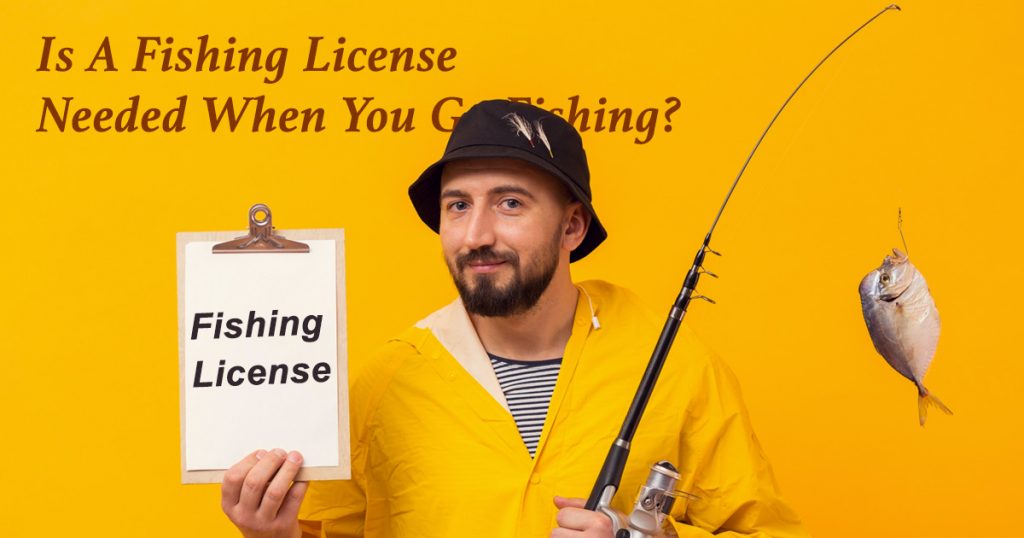
Fishing remains one of the most popular outdoor pastimes in the United States. Whether you’re casting your line in a quiet lake, a flowing river, or the open sea, it offers a mix of calm and thrill unlike any other hobby. Still, before you drop your bait in the water, it’s important to know one thing: most of the time, you’ll need a fishing license.
Why Fishing Licenses Exist
Fishing licenses play a vital role in keeping waters healthy and fish populations balanced. The money collected from license fees helps fund conservation programs that restore habitats, manage fish stocking, and support pollution control efforts. These programs protect natural resources and ensure future generations can enjoy the same fishing experiences.
Licensing also helps manage how many people fish at a time. It prevents overfishing and protects delicate ecosystems. When fishing activity is regulated, it becomes easier for wildlife agencies to monitor species and maintain balance in the environment.
Funds from fishing licenses also support educational programs. These include safety classes, responsible fishing lessons, and conservation workshops that promote ethical fishing practices. Every license sold helps pay for the care and protection of the waters you fish in.
When You Need a Fishing License
Every U.S. state requires a fishing license, but the exact rules differ. The requirements often depend on your location, how long you plan to fish, and whether you live in that state or are visiting.
Most states require individuals aged 12 to 16 and above to have a fishing license. Children below the age limit can often fish for free, though the exact cutoff age depends on state law. Seniors and veterans may also enjoy free or discounted licenses in some states.
There is no national fishing license that covers all states. Because fishing regulations are managed at the state level, you must get a separate license for each state you plan to fish in. For example, an Illinois license does not allow you to fish legally in Tennessee. Some states with shared waterways have reciprocal agreements allowing cross-border fishing, but these are exceptions rather than the rule.
Different types of fishing licenses are available depending on your needs. Many states offer daily, annual, or lifetime licenses. A short-term license works well for visitors or those who want to test the waters, while an annual or lifetime license suits frequent anglers.
Can You Catch and Release Without a License?
Even if you plan to release every fish you catch, a license is usually still required. Catch-and-release fishing still affects fish populations and ecosystems. The act of catching fish can cause stress or injury, so states include this activity under licensing rules to help monitor and manage fishing pressure.
Whether you intend to keep your catch or let it go, you are still participating in fishing. The goal is to ensure sustainability and protect the environment. So, while you might think releasing fish avoids harm, having a valid license supports conservation efforts that make catch-and-release practices more responsible.
Where You Might Not Need a License
There are limited situations when you might not need a fishing license. The most common exemption applies to fishing on private property. If the pond or lake sits entirely within private land and isn’t connected to any public water system, the landowner and their guests can often fish without a license.
However, if the water connects to rivers, lakes, or other public waterways, a license is required. Some states also mandate licenses even on private property, so checking your local regulations before fishing is always smart.
Some states offer free fishing days, letting residents enjoy the water without a license. These special events aim to spark interest in the sport and give beginners a chance to experience fishing before deciding to buy a license.
How to Get a Fishing License
Getting a fishing license is quick and convenient. Most states allow you to buy one online through their official fish and wildlife or natural resources website. After entering your information and paying the fee, you can print your license or store a digital copy on your phone.
Licenses are available at local bait shops, sporting goods stores, or state wildlife offices. Many states also allow you to purchase one by phone, making the process quick and convenient.
Prices vary depending on the type of license, how long it’s valid, and whether you are a resident or non-resident. Resident licenses are usually cheaper, while non-residents pay more since they do not contribute state taxes that support local conservation programs.
What Happens If You Fish Without a License
Fishing without a license can result in steep penalties. Depending on state laws, fines may range from a few hundred to over $10,000. You could also lose your fishing equipment or have your fishing rights temporarily revoked.
Repeat offenders can even face jail time. While that might sound extreme, enforcement officers take fishing regulations seriously because illegal fishing disrupts conservation efforts. Paying a small fee for a license is far more affordable than risking heavy fines or losing your right to fish altogether.
Why It Matters Beyond the Rules
Having a fishing license goes beyond legal compliance. It supports the protection of waterways across the nation. Each license purchase helps fund conservation programs that sustain fish habitats and ensure healthy ecosystems for future generations.
Fishing connects people to nature, teaches patience, and strengthens family bonds. Holding a license gives anglers peace of mind, knowing they are part of the effort to keep waters clean and ecosystems thriving.
Even if you fish only once or plan to release every catch, that small act of buying a license supports the greater good. It ensures there will always be fish waiting for future anglers and clean waters for everyone to enjoy.