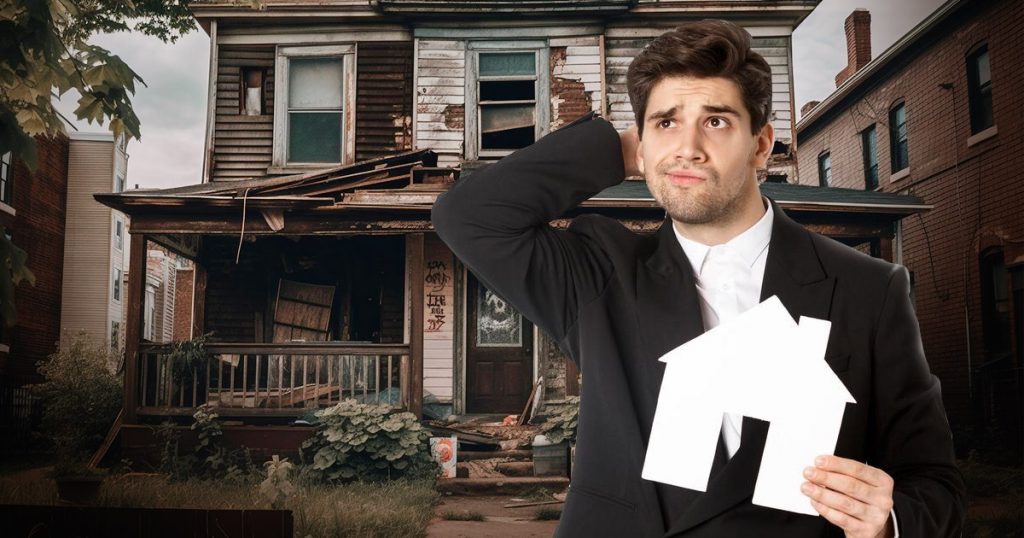
Empty homes often spark curiosity, and people wonder what happens to abandoned houses after their occupants have left. These properties sit in different stages of disrepair, legal trouble, or transition. Some draw interest from investors. Others fall into deeper decay until the government steps in. Understanding what happens to abandoned homes helps people see how these situations unfold and how owners or heirs become involved once a property sits vacant.
Houses become abandoned for many reasons. Some owners face financial strain or unexpected repairs. Others walk away after a job loss or debt. A property can also sit empty after a death in the family when no one steps up to take responsibility. Whatever the cause, a vacant home enters a long process filled with risks, costs, and legal actions.
How Houses Become Abandoned
A home becomes abandoned when no one maintains it, and the owner stops fulfilling basic responsibilities. Repairs may stall due to a lack of money or interest. A family might leave after deciding the cost of fixing the structure exceeds its value. When no one handles upkeep, the property decays fast. Leaks spread through the ceilings. Mold forms in damp rooms. Wiring weakens. Vandals damage walls and windows.
These issues make the property unsafe and create liability for whoever still legally owns it. Many owners do not understand that they remain responsible for fines, taxes, and violations even if they leave the home behind. Vacant homes can also fall into trouble during the foreclosure process. A slow or incomplete foreclosure may leave owners stuck with a zombie property. These owners believe the bank took the home, yet the lender never completed the process. During this limbo, the house deteriorates while the owner still legally carries the burden.
What Happens to the Owner
Walking away from a house does not remove responsibility. Owners remain tied to the property until a lender, buyer, or government officially assumes control. This means the owner must deal with unpaid taxes, code violations, nuisance complaints, and safety issues. Cities can issue fines when the yard becomes overgrown or when the structure becomes unsafe. These fines may accumulate daily. Governments can also place liens on the property when repairs or emergency actions become necessary.
Owners may also face legal trouble if the home becomes a public danger. A collapsing roof, broken stairs, or standing water can trigger enforcement from local officials. Authorities can force repairs, issue penalties, or pursue legal steps that push the owner to act. Failure to respond often leads to stronger government intervention.
Financial stress may deepen when the property moves into tax delinquency. Counties can seize the home after long periods of unpaid taxes. Once seized, the property often goes to auction. The owner loses control of the home and may still owe money if fines or liens exceed the sale amount.
What Happens to Heirs After the Owner’s Death
A home does not abandon itself after someone dies. When an owner passes away, the property transfers to heirs during probate. Many heirs do not realize that accepting the home also means accepting all the financial and legal responsibilities tied to it. This includes property taxes, code violations, pending repairs, and safety hazards.
Some heirs intentionally avoid the home due to overwhelming costs. Others live out of state and cannot manage the property. When no one takes action, the home slips into abandonment. The heirs remain responsible until they formally transfer or disclaim the property. A reference notes that heirs who receive a neglected home often find themselves dealing with fines or unresolved issues left by the previous owner. Local governments treat these heirs as the new legal owners once probate assigns the house to them.
If heirs choose to keep the property, they must handle inspections, repairs, utilities, taxes, and permits. If they decide not to keep it, they can sell it, transfer ownership, or allow the county to seize it for unpaid taxes. Without action, the home decays further and draws government attention.
What Happens When a House Is Abandoned
Once a property sits untouched, neighbors often report concerns to local officials. Complaints may point to overgrown grass, broken windows, foul odors, or suspicious activity. City inspectors then visit the property to document hazards and track violations. Local governments can issue notices and require repairs within a set period.
If the owner or heirs fail to respond, officials may secure the home to prevent trespassing or injuries. Boards on windows, locks on doors, and warning signs become common. Some states use Empty Dwelling Management Orders, which allow authorities to take temporary control of a long-neglected property. Other areas rely on Compulsory Purchase Orders, which let the government take ownership when a home poses a serious public risk.
Seizure, Sale, and Investor Interest
Unpaid taxes lead counties to seize abandoned homes. Once seized, a tax auction follows. Buyers take ownership with full responsibility for repairs and legal issues. Descriptions and photos may not reveal the true condition of the property. A reference notes that abandoned homes often hide major problems, including mold, pests, and structural damage.
Foreclosures also place homes back into circulation. After repossessing a property, lenders secure it and attempt to sell it. Some banks move quickly to list the home. Others leave it vacant for long periods.
Investors often see potential value in abandoned homes. They search auctions, probate court records, tax documents, and foreclosure lists. Some reach out to owners or heirs directly. Buyers then face inspections, major repairs, permit requirements, and loan challenges. Many lenders avoid damaged properties, so buyers may need cash or renovation-specific financing.
Demolition and Neighborhood Impact
Some homes reach a stage where repairs no longer make sense. When a property becomes unsafe, cities order demolition. The owner or heirs receive the bill. If they fail to pay, liens attach to the land.
Abandoned homes affect the community around them. They can attract crime, pests, and vandalism. Home values in the area may drop when visible neglect spreads.
A Path Forward for Every Property
Every abandoned home follows a different path. Some find new life through investors or heirs who restore them. Others pass through legal processes that end in seizure, sale, or demolition. Owners and heirs remain responsible until formal action transfers the property. Understanding what happens to abandoned houses helps people handle these situations with more clarity and fewer surprises.